Agenerase
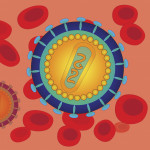
belongs to a class of anti-HIV drugs called Protease Inhibitors (PIs). For a description of the life-cycle of the AIDS virus, and the targets of each class of drugs, click here.
Our quick-reference chart allows you to compare all the currently available anti-HIV drugs, including dosing, side effects, & dietary restrictions.
Treatment News
Search for recent news and archived stories about
Agenerase.
Have more questions? Then post a question or comment in our Community Forums.
Check My Meds allows you to take the preventive step of determining whether the drugs you are taking interact with each other, or interact with a certain food, and cause a bad reaction in your body.
Our Lessons: Check out our informative Lessons covering various topics to help you make treatment decisions.
For a list of great books about living with HIV and making informed treatment decisions, along with easy links to buy them from Amazon.com, click here.
For a list of magazines, including POZ, the nation's leading magazine covering HIV and AIDS, click here.
Agenerase is an anti-HIV medication. It is in a category of HIV medications called protease inhibitors (PIs). Agenerase prevents T-cells that have been infected with HIV from producing new HIV.
Agenerase is manufactured by GlaxoSmithKline Pharmaceuticals and was originally developed by Vertex Pharmaceuticals. The U.S. Food and Drug Administration (FDA) approved it for the treatment of HIV infection in 1999.
The manufacturer of Agenerase has also developed Lexiva (fosamprenavir), a "prodrug" of Agenerase. This means that fosamprenavir must be broken down inside the body before it can become active. Doing so increases the amount of drug in the blood, while at the same time decreasing the number of pills that must be swallowed every day. Lexiva was approved by the FDA in October 2003 and is now the preferred form of amprenavir.
Agenerase is no longer available in the United States. Because Lexiva is now the preferred form of amprenavir, GlaxoSmithKline began phasing out the sale and distribution of the 150mg Agenerase capsules beginning in late 2004. In October 2007, GSK ended the U.S. sale and distribution of the 50mg capsules and the liquid version of Agenerase, on account of the June 2007 approval of a liquid version of Lexiva. Liquid Agenerase will remain available in countries where liquid Lexiva is not yet available.
What is known about Agenerase?
The dose of Agenerase, if it is not used in combination with Norvir (ritonavir), is eight 150mg capsules, every 12 hours. It can be taken with or without food.
Agenerase has also been approved by the FDA for use in combination with Norvir (ritonavir), another protease inhibitor that boosts Agenerase levels in the bloodstream. When used together, these drugs can be taken once a day or twice a day. For once-daily dosing, you will need to take eight 150mg Agenerase capsules and two 100mg Norvir capsules, usually with your other anti-HIV medications. For twice-daily dosing, you will need to take four Agenerase capsules and one Norvir capsule, every 12 hours.
Agenerase can be given to HIV-positive children, four years of age and older. The dose will depend on body weight. As the child gets older and gains weight, the dose will continually need to be increased. The child's doctor can prescribe a liquid formulation of Agenerase. Children over the age of 13—provided that they weigh at least 110 pounds—should receive adult doses of Agenerase. Children and adolescents over the age of 13 who don't yet weigh 110 pounds should continue taking a dose based on their actual body weight. To learn about treatment options for children, click here.
Clinical trials have determined that Agenerase is safe and effective when combined with other drugs, most notably two nucleoside reverse transcriptase inhibitors (NRTIs). Clinical trials have also demonstrated that Agenerase, combined with Norvir, is more effective than Agenerase used without Norvir. This may be beneficial for people who have failed a protease inhibitor-based drug regimen in the past.
For HIV-positive adults beginning anti-HIV drug therapy for the first time, the U.S. Department of Health and Human Services recommends Lexiva (the "prodrug" formulation of amprenavir), either with or without Norvir, as an "alternative" protease inhibitor option. Agenerase, either with or without Norvir, is not recommended. The protease inhibitor Kaletra (lopinavir/ritonavir) is listed as the "preferred" option. To learn more about these recommendations and options, click here.
If your viral load becomes detectable while taking a drug regimen that contains Agenerase, your doctor can order a drug-resistance test to see which drugs your virus are becoming less sensitive to. If your doctor finds that your virus is becoming resistant to Agenerase, it might be possible to begin taking a low dose of Norvir to boost the amount of Agenerase in the bloodstream. This may help overcome low-level resistance to Agenerase and help push viral load back down to undetectable levels.
Many of the currently available protease inhibitors are affected by cross-resistance. This means that, if you've tried and failed a drug regimen in the past that contained a protease inhibitor, your virus might be resistant to Agenerase. Similarly, if you take an anti-HIV drug regimen that contains Agenerase and your virus becomes resistant to the drug, your virus might also be resistant to many of the other protease inhibitors available. This is why it is very important to use drug-resistance testing to determine which drugs your virus are no longer responding to if you experience a rebound in your viral load while taking an anti-HIV drug regimen. Drug-resistance testing can also help you figure out which protease inhibitors your virus is still sensitive to.
What about drug interactions?
Agenerase is broken down (metabolized) by the liver, like many medications used to treat HIV and AIDS. This means that Agenerase can interact with other medications. Agenerase can lower or raise the levels of other medications in the body. Similarly, other medications can lower or raise the levels of Agenerase in the body. While many interactions are not a problem, some can cause your medications to be less effective or increase the risk of side effects.
Tell your doctors and pharmacists about all medicines you take. This includes those you buy over-the-counter and herbal or natural remedies, such as St. John’s Wort. Bring all your medicines when you see a doctor, or make a list of their names, how much you take, and how often you take them. Your doctor can then tell you if you need to change the dosages of any of your medications.
The following medications should not be taken while you are being treated with Agenerase: Acid reflux/heartburn medications: Propulsid (cisapride) Antibiotics: Priftin (rifapentine) and Rifadin (rifampin) Antimigraine medications: Ergostat, Cafergot, Ercaf, Wigraine (ergotamine) or D.H.E. 45 (dihydroergotamine) Antihistamines: Hismanal (astemizole) or Seldane (terfenadine) Calcium channel blockers: Vascor (bepridil) Cholesterol-lowering drugs (statins): Zocor (simvastatin) and Mevacor (lovastatin) Antipsychotics: Orap (pimozide) Sedatives: Versed (midazolam) and Halcion (triazolam)
Anticonvulsants, such as Tegretol ( carbamazepine), Luminal (phenobarbital), and Dilantin (phenytoin), may decrease the amount of Agenerase in the bloodstream. It might be necessary to increase your dose of Agenerase if you are taking any of these drugs.
Anti-HIV protease inhibitors can interact with Agenerase. Norvir (ritonavir), Kaletra (lopinavir/ritonavir), Reyataz (atazanavir), Crixivan (indinavir), and Viracept (nelfinavir) can all increase Agenerase levels in the bloodstream. If Agenerase is combined with either Norvir or Kaletra, the Agenerase dose should be reduced. Invirase (saquinavir) can decrease the amount of Agenerase in the bloodstream. At the same time, if Agenerase is combined with Kaletra, the Kaletra dose may need to be increased (Agenerase may decrease the amount of lopinavir in the bloodstream). If Agenerase is combined with Invirase, low-dose Norvir may be necessary to maintain Agenerase levels in the bloodstream.
Anti-HIV non-nucleoside reverse transcriptase inhibitors (NNRTIs) can also interact with Agenerase. Sustiva (efavirenz) and Viramune (nevirapine) can decrease the amount of Agenerase in the bloodstream (adding Norvir will be necessary to maintain Agenerase levels). A third NNRTI, Rescriptor (delavirdine), can increase levels of Agenerase in the bloodstream (Agenerase can significantly decrease Rescriptor levels in the bloodstream if they are used together). The combination of Rescriptor and Agenerase is not recommended.
Ziagen (abacavir), an NRTI, can increase Agenerase levels in the bloodstream. However, there is no need to change the dose of either drug.
Agenerase can interact with some medications used to treat TB, MAC, and other bacterial infections. Rifadin (rifampin) can decrease Agenerase levels (these drugs should not be used together). Agenerase can increase Mycobutin (rifabutin) levels and Mycobutin may decrease Agenerase levels (the Mycobutin dose will need be reduced). Biaxin (clarithromycin) increases Agenerase levels, although no dosing changes are necessary.
Agenerase can interact with some medications used to treat thrush (candidiasis) and other fungal infections. Agenerase can increase Nizoral (ketoconazole) levels in the bloodstream. Similarly, Nizoral can increase Agenerase levels in the bloodstream. However, no dosing changes are necessary.
It is not known what effect Agenerase has on oral contraceptives/birth-control pills. To reduce the risk of pregnancy, barrier protection (e.g., condoms) should be used.
Cholesterol-lowering drugs, also known as "statins," can interact with Agenerase. The two statins that are considered to be the safest in combination with Agenerase are Pravachol (pravastatin) and Lescol (fluvastatin). It is also possible to take Agenerase with Lipitor (atorvastatin), Zocor (simvastatin) and Mevacor (lovastatin), although Agenerase can increase levels of these three drugs in the bloodstream. If Lipitor, Zocor, or Mevacor are prescribed, it's best to begin treatment with the lowest possible dose of the drug and then increase the dose if necessary. Little is known about the newest statin, Crestor (rosuvastatin), although it is not expected to have any serious drug interactions with Agenerase or the other protease inhibitors.
Viagra (sildenafil), Levitra (vardenafil) and Cialis (tadalafil) levels in the bloodstream may increase when combined with Agenerase. In turn, it is best to use a lower dose of these drugs in order to reduce the risk of side effects.
Agenerase contains high amount of vitamin E. To avoid unnecessary side effects of vitamin E, HIV-positive individuals taking this drug should avoid taking vitamin E supplements.
Herbal products can also interact with Agenerase. St. John's wort should not be used with Agenerase, since it can greatly reduce the amount of Agenerase in the bloodstream. HIV-positive people should also be cautious about using garlic supplements or milk thistle with Agenerase—test tube studies suggest that both herbal products can interact with the same liver enzyme system (cytochrome P450 3A4) responsible for metabolizing Agenerase. This may alter the amount of Agenerase in the bloodstream. These and other herbal products should be used with caution, until further studies are conducted.
A number of other negative drug interactions are possible if Agenerase is combined with Norvir (ritonavir). To learn more about these drug interactions, click here.
What about side effects?
Short-term side effects include rash, appetite loss, headaches, feeling crummy (malaise), diarrhea, nausea, and vomiting. Another possible side effect is numbness/tingling around the mouth (perioral paresthesias). Very often, these side effects improve within a few months/weeks of starting Agenerase.
Anti-HIV drug regimens containing protease inhibitors, including Agenerase, can cause increased fat levels (cholesterol and triglycerides) in the blood, abnormal body-shape changes (lipodystrophy; including increased fat around the abdomen, breasts, and back of the neck, as well as decreased fat in the face, arms, and legs), and diabetes. These side effects of anti-HIV drug therapy are reviewed in our lessons on Lipodystrophy, Facial Lipoatrophy, and Risks To Your Heart (Hyperlipidemia).
Who should not take Agenerase?
Before taking Agenerase, tell your doctor if you have: an allergy to "sulfa" drugs; diabetes; liver disease; a bleeding disorder (hemophilia). You may not be able to take Agenerase, or you may require a dosage adjustment or special monitoring during treatment if you have any of these conditions.
Be sure to tell your doctor if you have allergies to medications, including Agenerase.
Be sure to tell your doctor about other medications your are taking before taking Agenerase.
Agenerase is classified by the FDA as a pregnancy category C drug. Pregnancy category C means that animal studies have shown an adverse effect on the fetus and there are no adequate and well-controlled studies in humans, but potential benefits may warrant use of the drug in pregnant women despite potential risks. HIV-positive women who become pregnant should discuss the benefits and possible side effects of anti-HIV treatment to help protect their babies from HIV (see our lesson called Pregnancy & HIV).
It is not known whether Agenerase passes into breast milk and what effects it may have on a nursing baby. However, to prevent HIV transmission of the virus to uninfected babies, it is recommended that HIV-positive mothers not breast-feed.
Where can I learn more about clinical trials that are using Agenerase?
If you would like to find out if you are eligible for any clinical trials that include Agenerase, there is an interactive web site run by ACRIA, the AIDS Community Research Initiative of America.
Another useful service for finding clinical trials is AIDSinfo.nih.gov, a site run by the U.S. National Institutes of Health. They have "health information specialists" you can talk to at their toll-free number at 1-800-HIV-0440 (1-800-448-0440).
Last Revised: November 05, 2007
This content is written by the editorial team at AIDSmeds.com.
Please find profiles of this team on our "About Us" page.